


Why Specificity and Evidence Define Your Career Value in 2025
If you don’t know where you are sailing, there are no favorable winds.
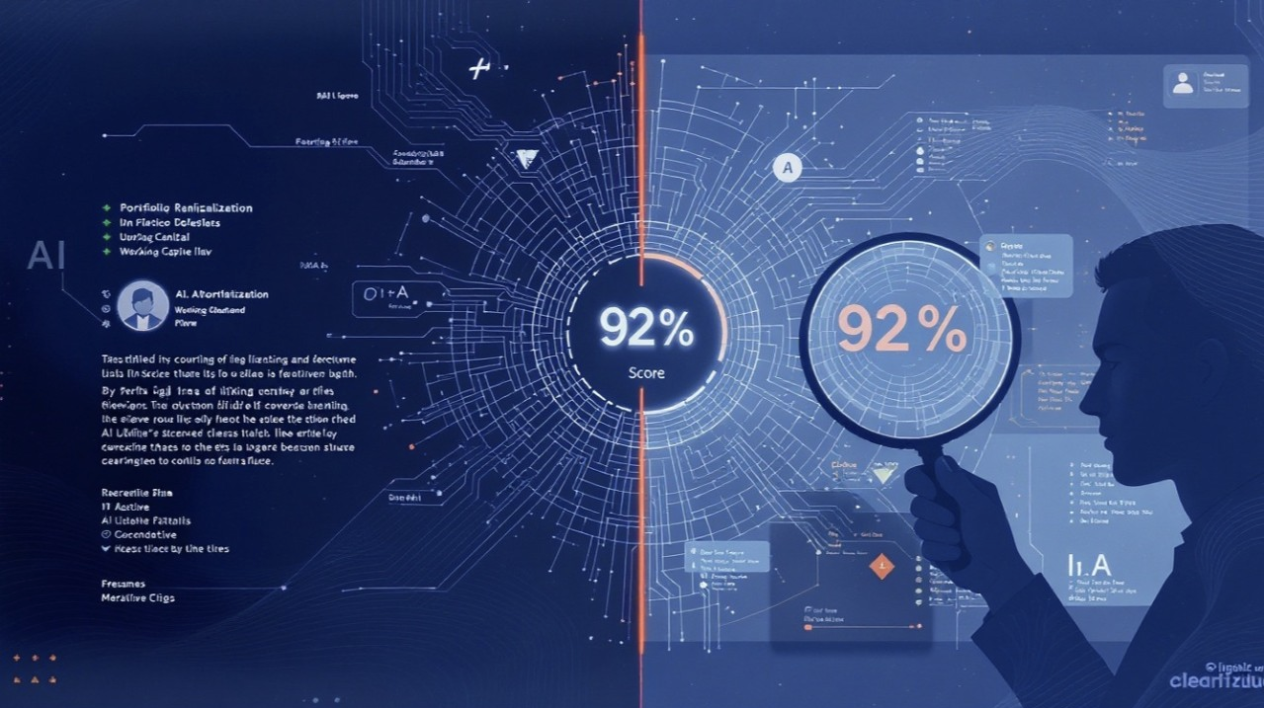
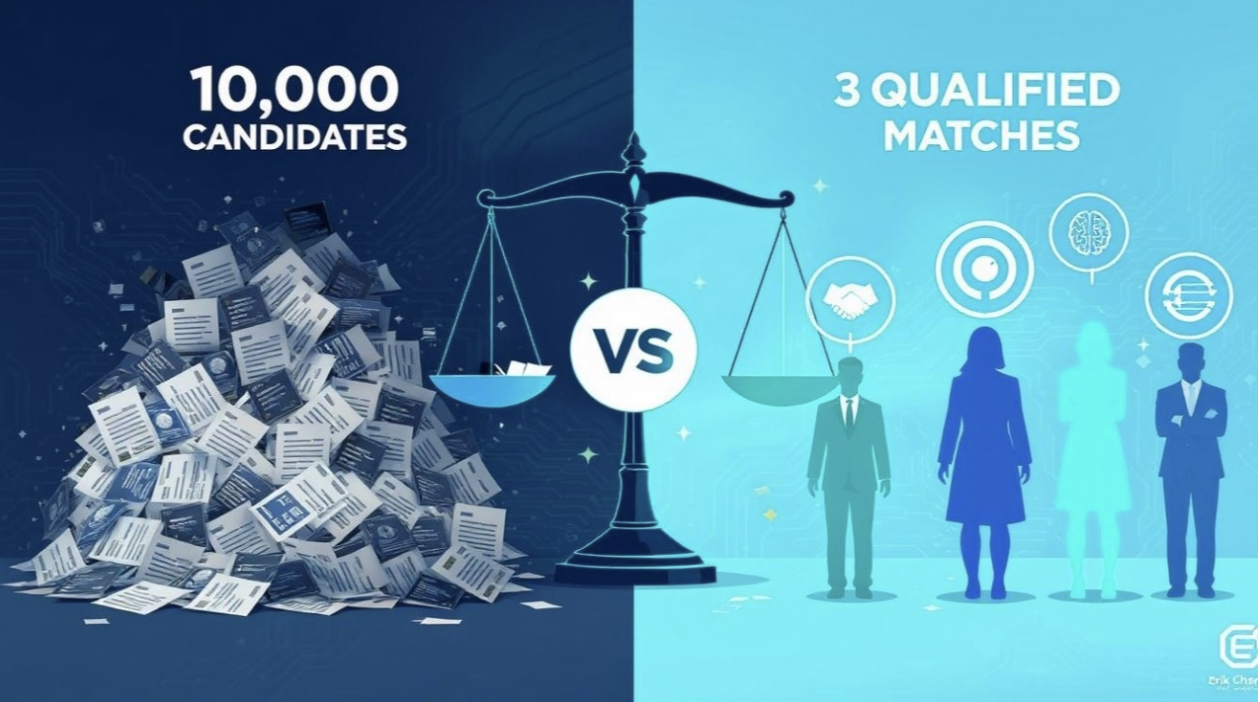
When AI Gives a Waiter a 92% Match for Finance Director
When AI Gives a Waiter a 92% Match for Finance Director
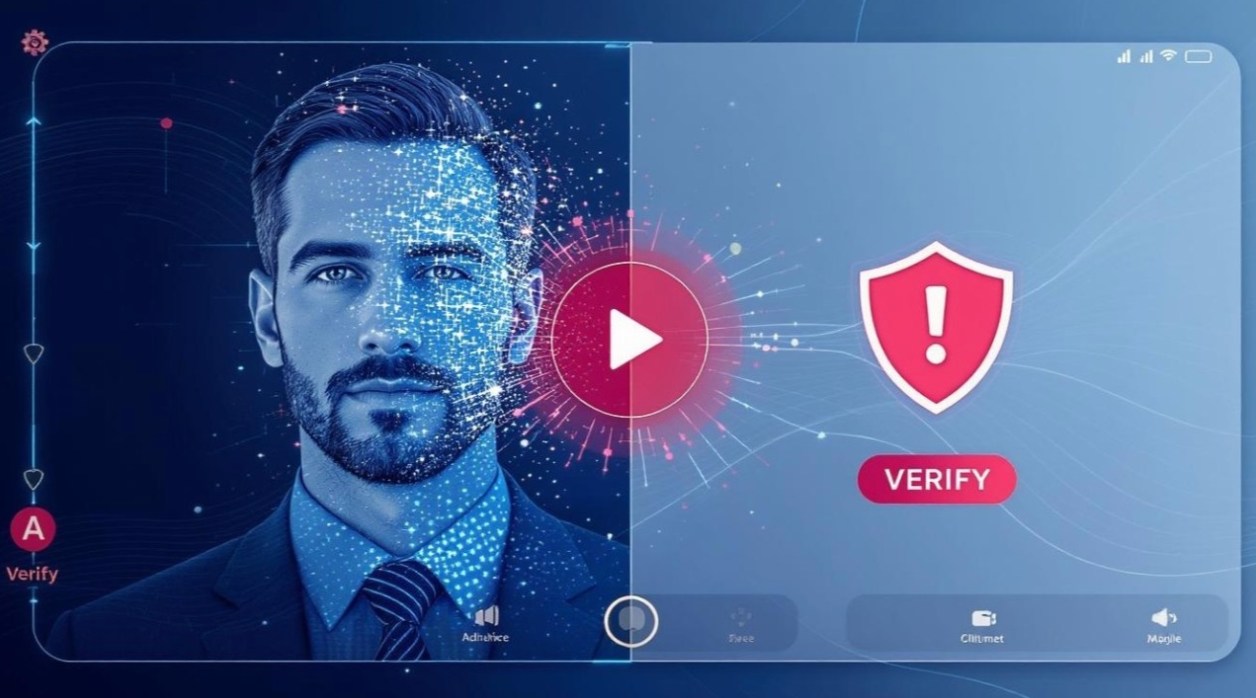
The Rise of Fake AI Candidates: Why Video Screening Is Non-Negotiable in 2025
I’ve seen a lot in tech recruiting. People ghosting interviews. Fake references. Inflated résumés. People interviewing on behalf of other people.
But what’s happening now? We've reached a sci-fi level of unworldly. Just the other day I heard a local radio show advertisement where the normal spokesmen for the ad was replaced with an AI version of themselves (I could tell the difference, more on that soon.)
We’re not talking about bad habits or one-off red flags. We’re talking about synthetic candidates—AI-generated personas, deepfake video interviews, and full-on fabricated professional identities. And it’s not theoretical anymore. It’s already reshaping hiring.
And here's the data. By 2028, 1 in 4 job candidates will be fake, according to Gartner, as cited in Forbes. WHAT!?
In a 2025 ResumeGenius survey, 17% of hiring managers say they’ve already encountered deepfake candidates during video interviews (via CNBC).
Palo Alto Networks reports it takes as little as 70 minutes to create a fake candidate with AI—start to finish (via HR Dive).
Crosschq estimates that companies lose an average of $28,000 per fraudulent hire—not including the downstream risk of compromised systems or stolen IP.
And that’s just the measurable stuff. The biggest challenge I believe we face is losing trust.
What Broke Most hiring systems were built to optimize throughput—not verify identity. They rely on:
Keyword resume screening (ATS systems now using AI here) – easily gamed by ChatGPT
Asynchronous video interviews – giving fraudsters time to script answers
Written assessments – outsourceable to AI
Background checks – confirming job history, not personhood
In today’s hiring climate, these processes don’t just fail to stop fakes—they actively reward them. Enter the case for being more human forward, intellectually curious, more intentional.
The Case for Real-Time Video For the past year, I’ve adopted a non-negotiable approach with every client: No one moves forward without a 20+ minute live video call. Period. End of story.
Here’s why:
You can’t fake presence. Small talk, unscripted reactions, inconsistencies—they show up fast.
Pattern-breaking questions reveal authenticity. I find the modern era we are in invites more authenticity, including our unique personalities and idiosyncrasies.
It forces a pause in a system too optimized for speed.
While it's optional, I record with consent and use an AI notetaker—not as a crutch, but so I can stay present in our conversation and organize the notes from our call later. I want the conversation. Not the script.
This is more than just a bad hire. Let’s zoom out. A fake hire doesn’t just waste time.
It can:
Leak sensitive company data
Install malware or spyware
Execute phishing attacks
Compromise access to financial or personal information
This isn’t just an HR risk. It’s an organizational security risk.
HR Brew summed it up:
“At first glance, it seems like it's just bad hires, fake resumes, fraud, but it is so much bigger than HR. It really is about trust and security.”
The Protocol I Use (and Recommend) If you’re not doing this already, it’s time to update your hiring playbook. Here's my checklist:
1. Perform Real-Time Video Screens Go unscripted. Change it up a bit and remain conversational, let your intuition and natural curiosity take over. Like a piece of art in the background? Ask about it.
Ask candidates to do something live (touch their ear, adjust the camera, pick up a nearby object)
Look for audio-visual sync issues and environmental inconsistencies
2. Cross-Verify Resume, LinkedIn, and Application
Ask questions that require personalized answers not found online
Watch for over-rehearsed storytelling or vague details
3. Train yourself on Red Flags
Teach your team what deepfake behavior looks like
Normalize discomfort with “polite” fake interviews—it’s okay to shut them down
4. Align Your Hiring Leaders
Bring hiring managers into the loop
Make video screening a consistent, organization-wide expectation
Final Thought This isn’t about adding red tape. It’s about protecting your company from invisible risk.
Yes, video screening adds a layer. That’s exactly the point. If the hiring process is your front door, don’t leave it wide open just because you want faster deliveries.
Pindrop said it best:
“You don’t have a hiring problem. You have an identity problem.”
And identity verification now belongs at the center of every modern recruiting process.
Deep breath. I’ll end on a hopeful note. In my view, all of this serves as a powerful reminder to stay intentional—to slow down when needed and truly honor the nuance that comes with the most intangible, human kind of work there is: Working with, and representing, real people.
Sources:

Low Unemployment Rates present an opportunity for Hiring Managers
It's 2019. The staffing industry has dawned on a new era. The unemployment rate as of September of 2019 still hovers around 3.7%. The demand for skill sets in IT are at an all time high! Good news for those who are on the market looking for your next job, be patient, be picky. This is the best market we have seen in over 50 years.
Now for the employers and hiring managers out there. It's time to use this market as an opportunity to hone in on talent strategy and workforce management. It's time to understand and respect the value of all employees including both permanent employees and the contingent workforce. If this isn't at the fore front of leaderships conversations, know that it is with your competitors. With unemployment rates where they are, this is an opportune time for companies and leaders to do some self reflection and re-define the values they bring to their workforce. Employers may not have the liberty to draw a candidate out of a hat like we used to. With an effective strategy and a touch of authenticity, HR leaders and Hiring Managers can begin to take pride in their message to qualified candidates.
Here are three steps towards improving your workforce plans and strategy:
Your Story. What is your story? Why should someone want to be a part of your company's journey? Even better, why should someone want to work on your team? People love hearing an inspiring story. Yes, we all have access to those job descriptions that have been stashed in an internal library the last five years and have a nice three sentence summary of "why us" as a company. Focus on what separates your team or company from others and get creative on building your own inspirational story.
Team Culture. I have been apart of losing teams and championship teams. The one common denominator for both is that your team is as strong as your weakest player. This doesn't apply to specific skill sets, it applies to the general attitude of each member and the commitment to a common goal. How are you building an environment that represents effective collaboration? Whether your team is primarily full time employees or mixed with contractors, you want to establish environment full of passionate employees who wake up every day with a purpose.
Employee Referrals. I will quote arguable one of the greatest movies of all time, Field of Dreams. "If you build it, they will come." Build a passionate team and then work with that team to bring in referrals. Employee referrals reduce time to hire by 55% according to HR Technologies. Retention of referred employees after two years stands at 45% compared to 20% of job boards. Employee referrals have the highest applicant to hire conversion rate – only 7% apply but this accounts for 40% of all hires. Work with your HR partners or staffing firms as needed and bring this discussion to your next meeting in order to establish a process that allows you to leverage referrals.
To conclude, the current market is a blessing in disguise. I would advise to use this time to evaluate your own hiring strategy and make any necessary changes to improve it through storytelling, team culture, and candidate referrals. If you are looking for a firm or HR partner to support you, use some of this criteria to establish a relationship and build trust. There is always a growing fear of market corrections, but the power of a strong hiring strategy will remain a core value to you and your company moving forward.